Jul
07
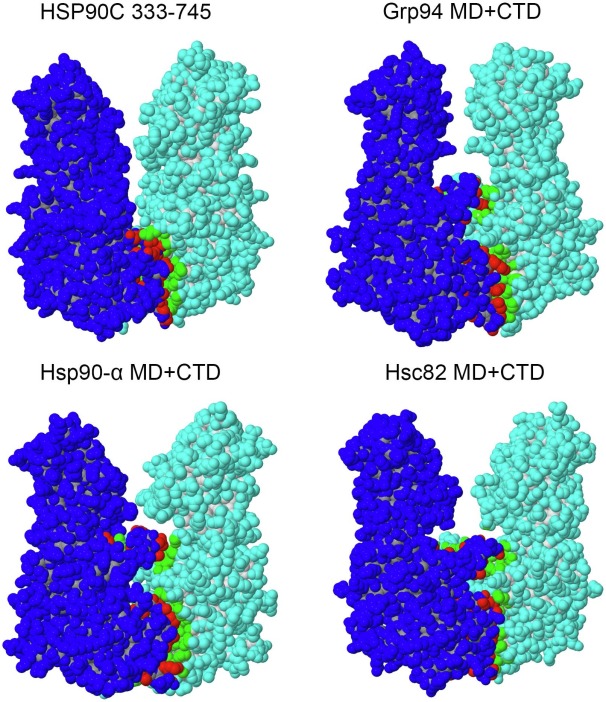
New publication of the team Molecular Chaperones and Macromolecular Assemblies Biogenesis
Chloroplasts are the main energy-producing organelles in plants, responsible for photosynthesis, CO2 fixation, and O2 production.

Laboratoire de Biologie Moléculaire et Cellulaire des Eucaryotes
Laboratory of Molecular and Cellular Biology of Eukaryotes
Chloroplasts are the main energy-producing organelles in plants, responsible for photosynthesis, CO2 fixation, and O2 production.

Elucidating the Human Telomerase Interactome in Aneuploidy-Induced Replication Stress Context
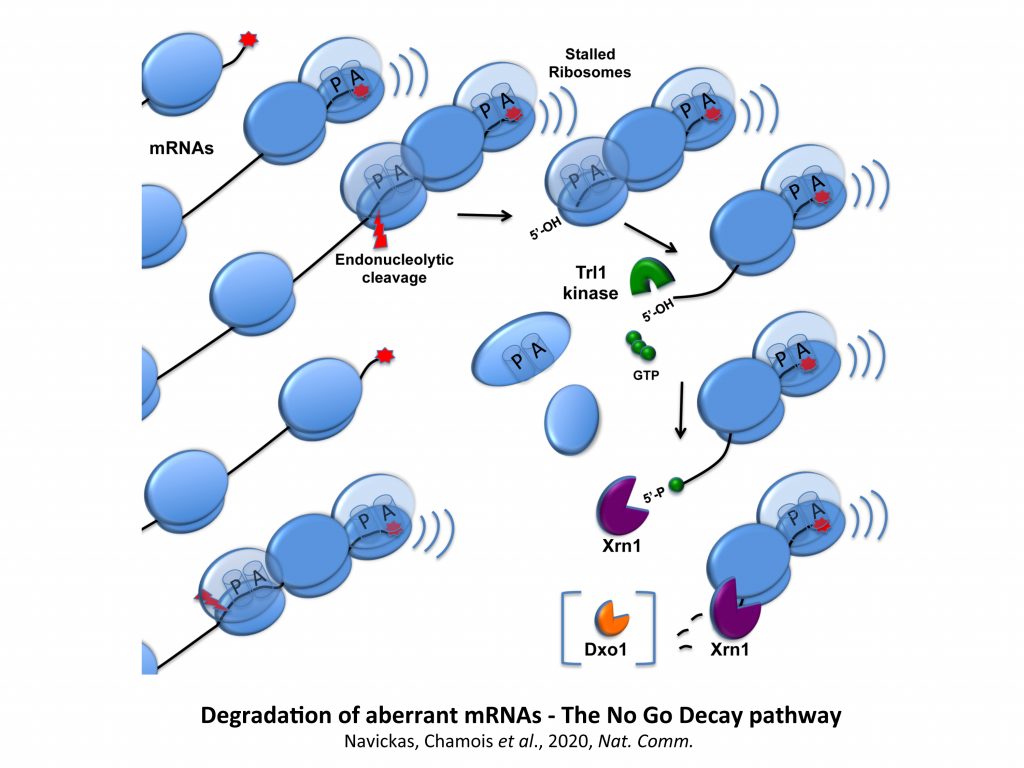
Accumulation of impaired proteins presents a critical challenge for cells, and control systems have evolved to minimize their detrimental effects. Cells have developed mechanisms to address ribosomal stalls caused by problematic translation.

General principles of DNA damage sensing by (lipid) membranes Dr. María Moriel-Carretero Centre de Recherche en Biologie cellulaire de Montpellier (CRBM) Université de Montpellier-CNRS, Montpellier, France invited by Teresa Teixeira Monday 1st December 2025, at 10:30 am at IBPC Conference room Read more

Re-appraising the role of R-loops in transcription-driven genome instability Dr. Vincent Vanoosthuyse LBMC, ENS-Lyon, France invited by Teresa Teixeira Monday 24 November 2025, at 10:30 am at IBPC Conference room
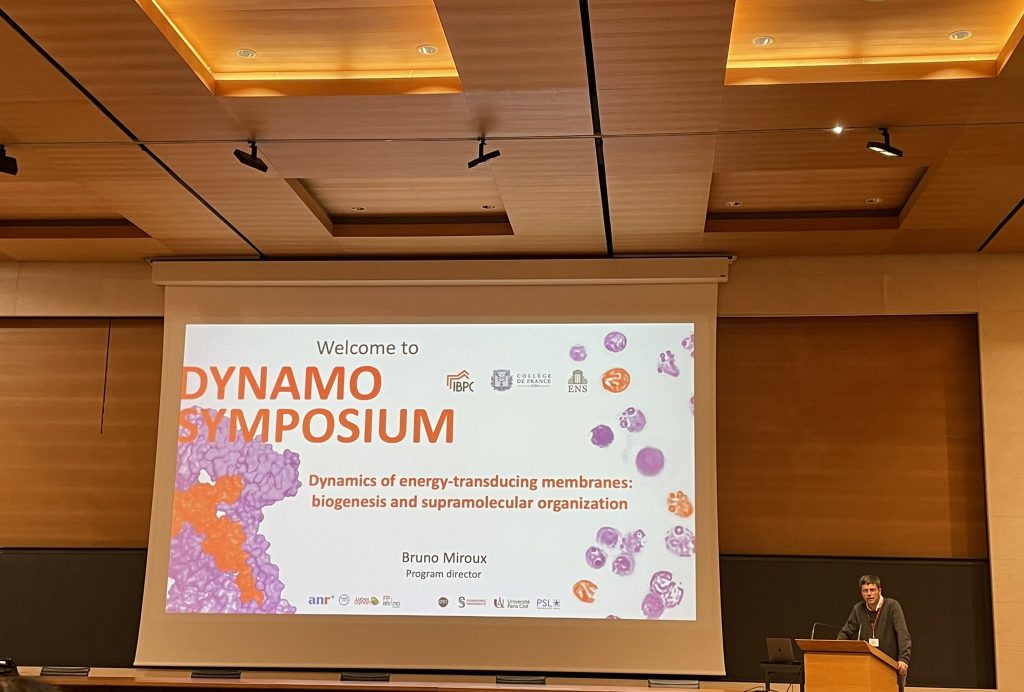
LBMCE’s Teams participated in the Dynamo Symposium at Collège de France and Normale Sup

The Telomere Biology and Functional Regulation and RNA Surveillance teams participated in the Yeast 2025 conference at Sorbonne University.
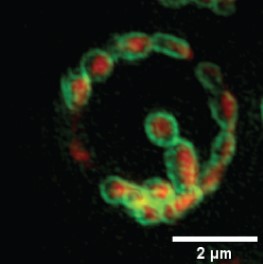
Mitochondria assemble in a dynamic tubular network. Their morphology is governed by mitochondrial fusion and fission, which regulate most mitochondrial functions including oxidative phosphorylation.

Previous studies using ubiquitin traps combined with mass spectrometry revealed that in Bortezomib (BTZ) resistant Mantle Cell Lymphoma (MCL) cells, a selective autophagy mechanism, known as proteaphagy, was a main mechanism eliminating the proteasome and reducing the sensitivity to this treatment.
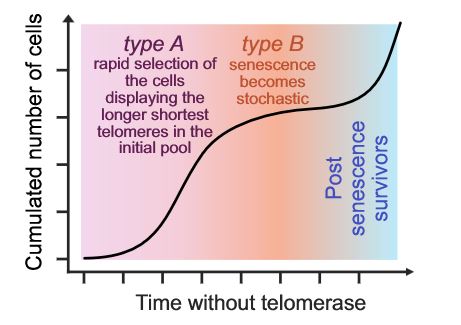
Telomere shortening ultimately causes replicative senescence.